


How to Create a Clutter-Free Outdoor Workspace


How to Create a Clutter-Free Outdoor Workspace
An outdoor workspace—whether it’s a garden potting area, a DIY corner, or a small backyard shed—should feel inspiring, not overwhelming. Yet many outdoor spaces quickly turn into clutter zones filled with scattered tools, tangled hoses, and unused supplies. The good news? With a thoughtful setup and the right organization strategy, you can create a clean, efficient outdoor workspace that makes every task easier and more enjoyable.
Below is a practical, step-by-step guide designed for U.S. homeowners who want a functional, clutter-free outdoor workspace—without major renovations.
1. Start With a Purpose-Driven Reset
Before organizing, take everything out of your workspace. This reset helps you see the space clearly and make intentional decisions.
Ask yourself:
-
What tasks do I actually do here? (gardening, potting, repairs, storage)
-
Which tools do I use regularly?
-
What hasn’t been used in the past year?
Keep only what supports your real needs. This single step removes most clutter before storage even begins.
2. Divide the Space Into Clear Zones
A clutter-free workspace starts with clear boundaries. Assign each area a specific role so items naturally return to their place.
Common outdoor workspace zones:
-
Tool Zone – shovels, pruners, gloves
-
Potting Zone – soil, pots, hand tools
-
Cleaning Zone – hose, sprayer, buckets
-
Storage Zone – seasonal or rarely used items
When everything has a “home,” mess doesn’t spread.
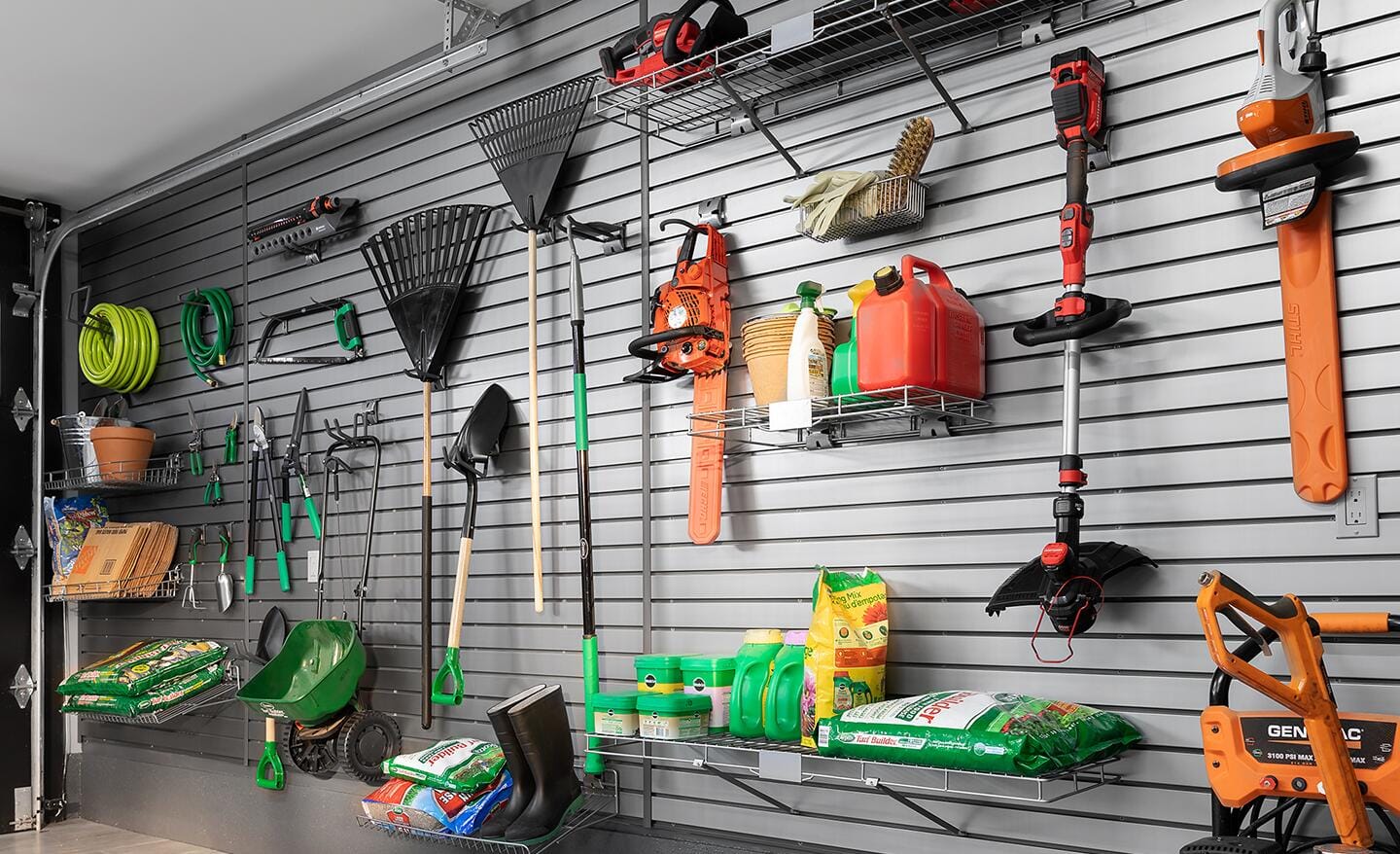
3. Use Vertical Storage to Free the Floor
Outdoor areas are often limited in square footage. Vertical storage is the easiest way to gain space instantly.
Smart vertical solutions:
-
Wall-mounted hooks for tools and hoses
-
Pegboards for hand tools
-
Hanging baskets for gloves and accessories
-
Narrow wall shelves for small containers
Keeping items off the ground makes the space safer, cleaner, and easier to maintain.
4. Choose Weather-Resistant Storage Containers
Outdoor clutter often comes from items being left out because they’re inconvenient to store. Weatherproof containers solve this problem.
Look for:
-
Waterproof plastic bins with lids
-
Rust-resistant metal boxes
-
Stackable outdoor storage crates
-
Labeled containers for quick access
Clear or labeled bins help you find what you need without digging through piles.
5. Store by Frequency of Use
An efficient workspace puts the most-used items within arm’s reach and stores occasional tools out of the way.
A simple rule:
-
Daily use → eye-level or countertop storage
-
Weekly use → shelves or wall hooks
-
Seasonal use → upper shelves or closed bins
This layout reduces both clutter and wasted movement.
6. Keep Surfaces Clean and Clear
Work surfaces easily become dumping grounds. Keep countertops and tables functional by limiting what stays on them.
Tips:
-
Keep only 1–2 essential tools on the surface
-
Store soil, fertilizer, and accessories underneath
-
Wipe surfaces after each session
A clear surface encourages you to return the space to order every time.
7. Maintain With a Simple Weekly Reset
Clutter doesn’t come from one big mess—it builds slowly. A short weekly reset keeps things under control.
Try this 10-minute routine:
-
Return tools to their hooks
-
Empty debris and soil from surfaces
-
Check containers and close lids
-
Toss broken or unused items
Consistency beats perfection.
Final Thoughts
A clutter-free outdoor workspace isn’t about having fewer tools—it’s about having the right system. When your space is organized, outdoor tasks feel lighter, faster, and more enjoyable. Whether you’re tending plants, potting flowers, or tackling weekend projects, a clean setup turns work into a pleasure.
Small changes make a big difference. Start with one wall, one shelf, or one container—and let the momentum grow 🌿