


How to Start a Small Backyard Garden in the U.S.

How to Start a Small Backyard Garden in the U.S.
Starting a backyard garden doesn’t require a large yard, expensive tools, or years of experience. Across the U.S., more homeowners are discovering that even a small backyard can become a productive, relaxing garden with the right approach. Whether your goal is fresh vegetables, herbs, or simply a greener space, this guide walks you through the essentials—step by step.
1. Choose the Right Spot in Your Backyard
Most garden plants need at least 6 hours of direct sunlight per day. Before planting anything, observe your backyard:
-
Which areas get the most sun?
-
Are there shaded spots from fences, trees, or buildings?
-
Is the ground level or sloped?
If sunlight is limited, don’t worry—container gardening or raised beds can still work beautifully in smaller or partially shaded yards.
2. Start Small (Smaller Than You Think)
One of the most common beginner mistakes is starting too big. A small garden is easier to maintain and far more enjoyable.
Good starter options:
-
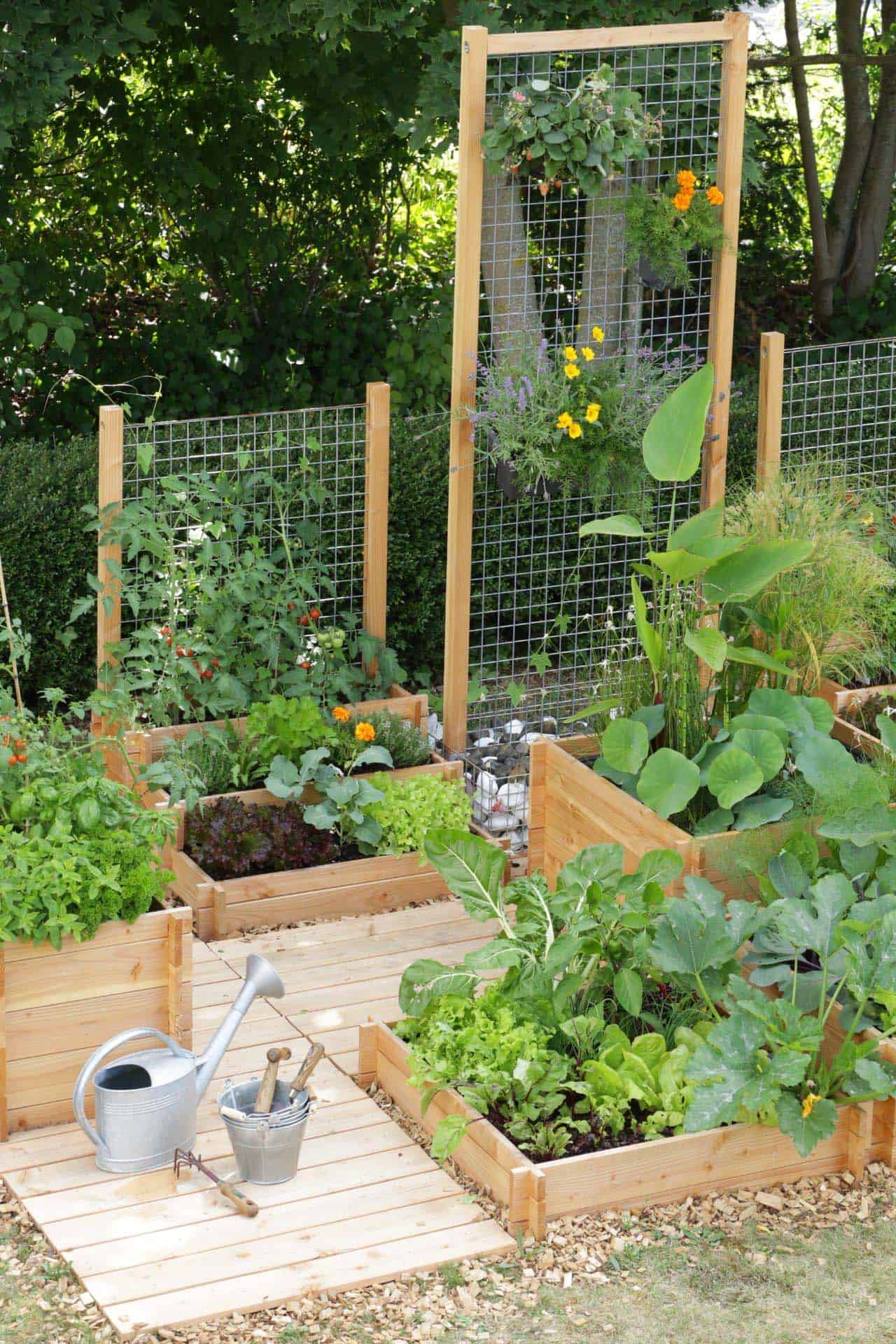
A single raised bed
-
3–5 large containers
-
One narrow garden strip along a fence
Starting small lets you learn soil, watering, and plant care without feeling overwhelmed.
3. Pick Easy Plants for Beginners
Not all plants are beginner-friendly. Choose plants that grow well in most U.S. climates and don’t require constant attention.
Great beginner choices include:
-
Vegetables: tomatoes, lettuce, peppers, zucchini
-
Herbs: basil, mint, rosemary, parsley
-
Flowers: marigolds, sunflowers, zinnias
Always check the USDA Hardiness Zone for your area to ensure your plants are suitable for your climate.
4. Prepare the Soil (This Matters More Than Tools)
Healthy plants start with healthy soil. If you’re planting in the ground, loosen the soil and mix in compost. For containers or raised beds, use high-quality potting soil, not regular dirt.
Soil tips:
-
Avoid compacted or clay-heavy soil
-
Add compost for nutrients
-
Ensure proper drainage to prevent root rot
Good soil reduces problems later—less disease, fewer pests, and stronger plants.
5. Use Simple, Practical Garden Tools
You don’t need a shed full of tools to get started. Focus on lightweight, easy-to-use essentials that fit a small backyard.
Starter tools to consider:
-
Hand trowel
-
Garden gloves
-
Watering can or hose spray nozzle
-
Pruning shears
Compact tools are ideal for beginners and are easier to store, ship, and replace—especially when shopping online.
6. Water Consistently, Not Excessively
Overwatering is just as harmful as underwatering. Most backyard gardens thrive with deep watering a few times per week rather than daily light watering.
Helpful tips:
-
Water early in the morning
-
Check soil moisture with your finger
-
Use mulch to retain moisture and reduce weeds
Consistency is more important than volume.
7. Keep Maintenance Simple
A small backyard garden should fit into your life—not take it over.
Easy maintenance habits:
-
Remove weeds weekly
-
Trim dead leaves regularly
-
Check plants for pests early
Just 10–15 minutes a few times a week can keep your garden healthy and productive.
Final Thoughts
Starting a small backyard garden in the U.S. is less about perfection and more about progress. With the right location, beginner-friendly plants, and simple tools, anyone can grow a garden that adds beauty, food, and calm to daily life.
Gardening teaches patience—and rewards it generously. 🌱